
University of Alberta – Faculty of Law (Edmonton): An In-Depth Guide

Description
1. Introduction
The University of Alberta – Faculty of Law is a prestigious public law school located in Edmonton, Alberta, Canada. Established in 1912, it is one of the oldest and most respected law schools in Canada, offering a range of common law programs including the Juris Doctor (JD), Master of Laws (LLM), and Doctor of Philosophy (PhD) in Law. The Faculty has a strong reputation for academic excellence, research, and professional outcomes, attracting students from around the world, including India.
2. Historical Background
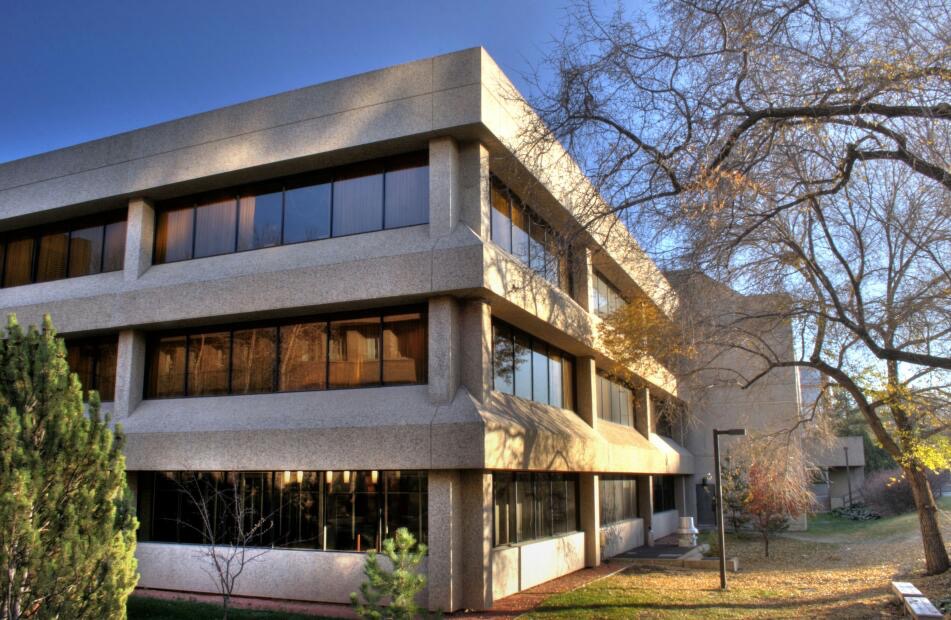
The Faculty of Law at the University of Alberta was founded in 1912, making it the first permanent law school in Western Canada. Early legal education in the region initially combined University oversight with Law Society examinations. Classes formally began in 1921, and the first class graduated in 1924 under a three-year law curriculum. Over the decades, the Faculty grew in scope and reputation and moved into the Law Centre in 1972, consolidating teaching, research, and library facilities. It has maintained strong connections with the legal profession and continues to contribute to legal scholarship and community engagement.
3. Law Programs and English Requirements
Below is a detailed table of all law programs offered at the University of Alberta’s Faculty of Law, including English language requirements for international students:
| Program Name | Duration | Degree | English Language Requirements (if first language not English) | Notes |
|---|---|---|---|---|
| Juris Doctor (JD) | 3 years | JD | English proficiency as per university policy (based on prior education or tests) – TOEFL 100 / IELTS 7.0 / PTE 68 (if required)* | JD is the primary professional law degree in Canada. |
| Master of Laws (LLM) | 1–2 years | LLM | TOEFL 100 (25 in each section) / IELTS 7.0 (6.0 each band) / PTE 68 | Research or coursework-based graduate degree. |
| Doctor of Philosophy (PhD) in Law | Varies | PhD | Same as LLM: TOEFL 100 / IELTS 7.0 (6.0 each band) / PTE 68 | Research doctorate for academic and scholarly careers. |
| Internationally Trained Lawyer Pathway (ITLP) | 1 year approx. | Certificate | TOEFL 100 / IELTS 7.0 / PTE 68 / Duolingo 130* | For foreign law graduates to integrate into Canadian legal framework. |
Specific scores or exceptions may apply based on prior education in English or other conditions. Always check official program pages
4. Key Highlights of Top Law Courses
Juris Doctor (JD)
✔ Provides foundational legal education preparing students for legal practice.
✔ Incorporates practical learning such as clinics and experiential training.
✔ Competitive and holistic admissions considering GPA and LSAT.
Master of Laws (LLM)
✔ Designed for advanced legal scholarship or specialization.
✔ Ideal for graduates aiming for legal research careers or teaching.
PhD in Law
✔ Research-intensive program for aspiring academics and scholars.
✔ Requires a substantive research proposal with faculty supervision.
Internationally Trained Lawyer Pathway (ITLP)
✔ Tailored for internationally educated lawyers to integrate into Canadian legal context.
5. Entrance Exam Requirements
| Program | Entrance Exam Required? | Details |
|---|---|---|
| Juris Doctor (JD) | Yes | LSAT required; must be written within 5 years before admission cycle. |
| LLM | No standardized exam | Admissions based on academic record and proposal. |
| PhD | No standardized exam | Admission based on LLM record and research fit. |
| ITLP | No LSAT | Evaluation via NCA and UAlberta criteria. |
6. Top 5 Reasons to Choose University of Alberta Faculty of Law
Legacy and Reputation: Oldest law school in Western Canada with a century-long tradition.
Strong Research Environment: Includes specialized centres like Constitutional and Health Law Institutes.
High Employment Outcomes: Strong post-graduation opportunities in articling, firms, and research.
Global Alumni Network: Graduates in influential legal positions across Canada and abroad.
Comprehensive Support: Tailored support for international students including English assessments and integration pathways.
7. Grades & Rankings
QS/Times Rankings: University of Alberta ranks among the top Canadian universities and its law programs feature within national legal education rankings, with law rankings placing it in the 101–125 range worldwideamong law schools.
National Recognition: Consistently recognized as one of Canada’s leading law schools with elite firm hiring rates.
The University itself is frequently in the top 5 universities in Canada for overall excellence.
8. Documents Required for Admission
| Category | Documents Required |
|---|---|
| JD Program | • Academic transcripts • LSAT score • Personal statement • Resume/CV • Reference letters • English proficiency proof (if required) • Passport copy • Application fee proof |
| LLM/PhD Program | • Undergraduate/Graduate transcripts • CV • Research proposal (PhD/LLM) • Statement of motivation • 3 references • English test scores • Passport ID • Application fee proof |
| ITLP | • Law degree transcripts • NCA assessment • English proficiency results • Passport copy • CV/Resume • Application form • Official NCA documentation |
9. How to Apply for Admission
| Step | JD / Graduate / ITLP |
|---|---|
| 1 | Create application account via UAlberta Launchpad. |
| 2 | Submit application form & fee (e.g., December 1 deadline for JD). |
| 3 | Upload required documents (transcripts, LSAT, etc.). |
| 4 | Provide English proficiency scores where applicable. |
| 5 | Receive decision and confirm acceptance via deposit. |
10. Contact Details – Faculty of Law (University of Alberta)
| Contact Type | Information |
|---|---|
| Admissions Office Phone | +1 780-492-5587 |
| Admissions Email | admissions@law.ualberta.ca |
| ITLP Coordinator Email | lawitlp@ualberta.ca |
Address
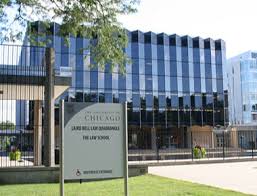
University of Chicago – The Law School
- Private Institution
- LLM Abroad, Juris Doctor (JD), Doctor of Juridicial Science (S.J.D)


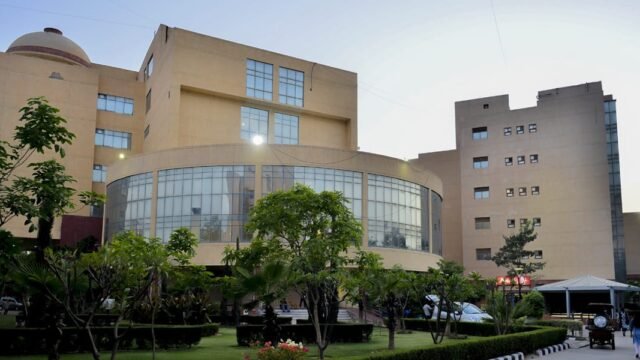
National Law University Delhi (NLU Delhi) – Courses, Fees, Admission, AILET Cut-Off, Ranking (2026)
- National Law University
- B.A. LLB (5 Years), LLM India, PhD in Law
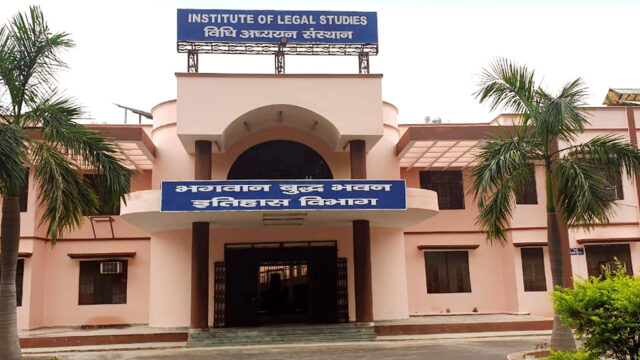
Faculty of Law – Chaudhary Charan Singh University (CCSU), Meerut
- Government
- LLB (3 Years), B.A. LLB (5 Years), LLM India




University of Virginia (UVA) – School of Law
- Government
- LLM Abroad, Juris Doctor (JD), Doctor of Juridicial Science (S.J.D)




Department of Law, University of Calcutta
- Government
- B.A. LLB (5 Years), LLM India


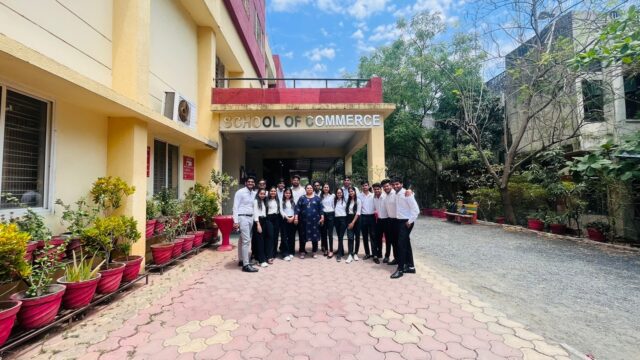
School of Law – Devi Ahilya Vishwavidyalaya, Indore
- Government
- B.A. LLB (5 Years), LLM India
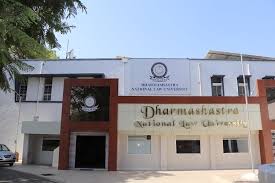

Dharmashastra National Law University (DNLU), Jabalpur
- National Law University
- B.A. LLB (5 Years), LLM India
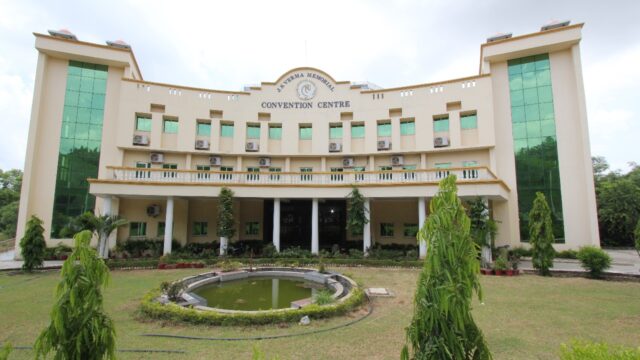
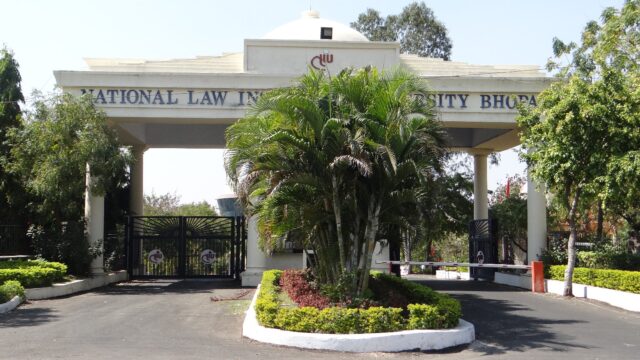

National Law Institute University (NLIU), Bhopal
- National Law University
- B.A. LLB (5 Years), LLM India
