
Maharaja Sayajirao University of Baroda – Faculty of Law
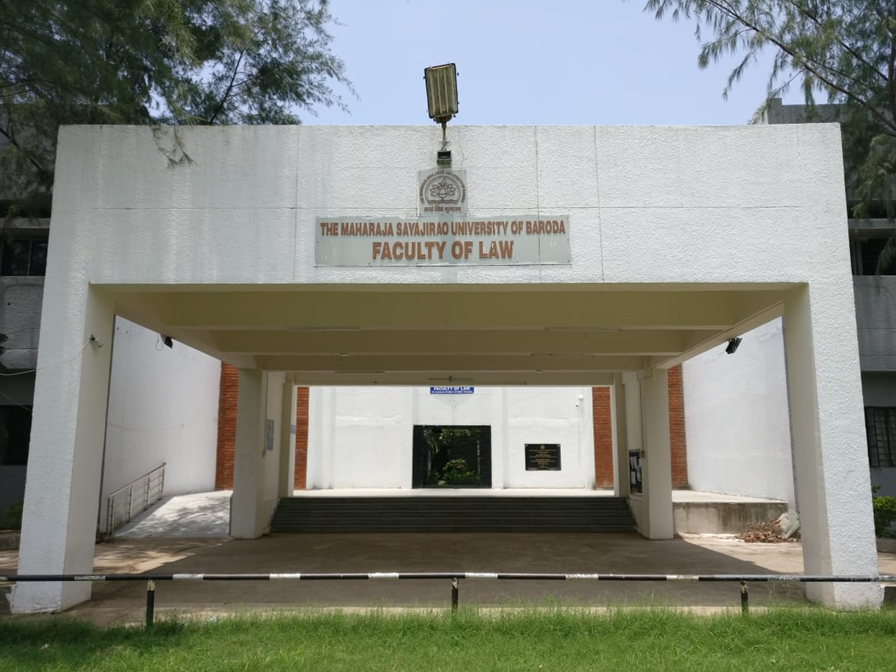
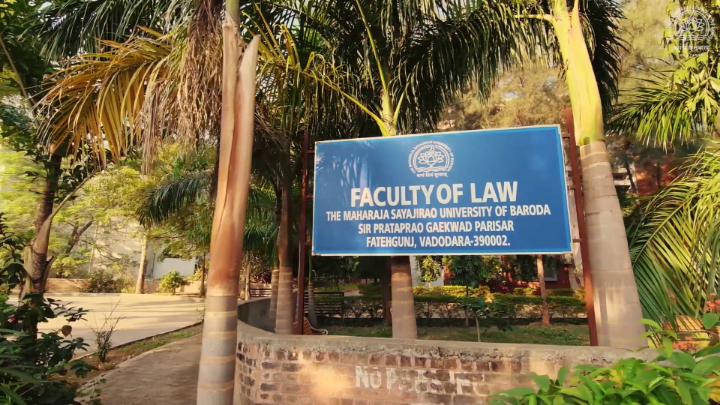
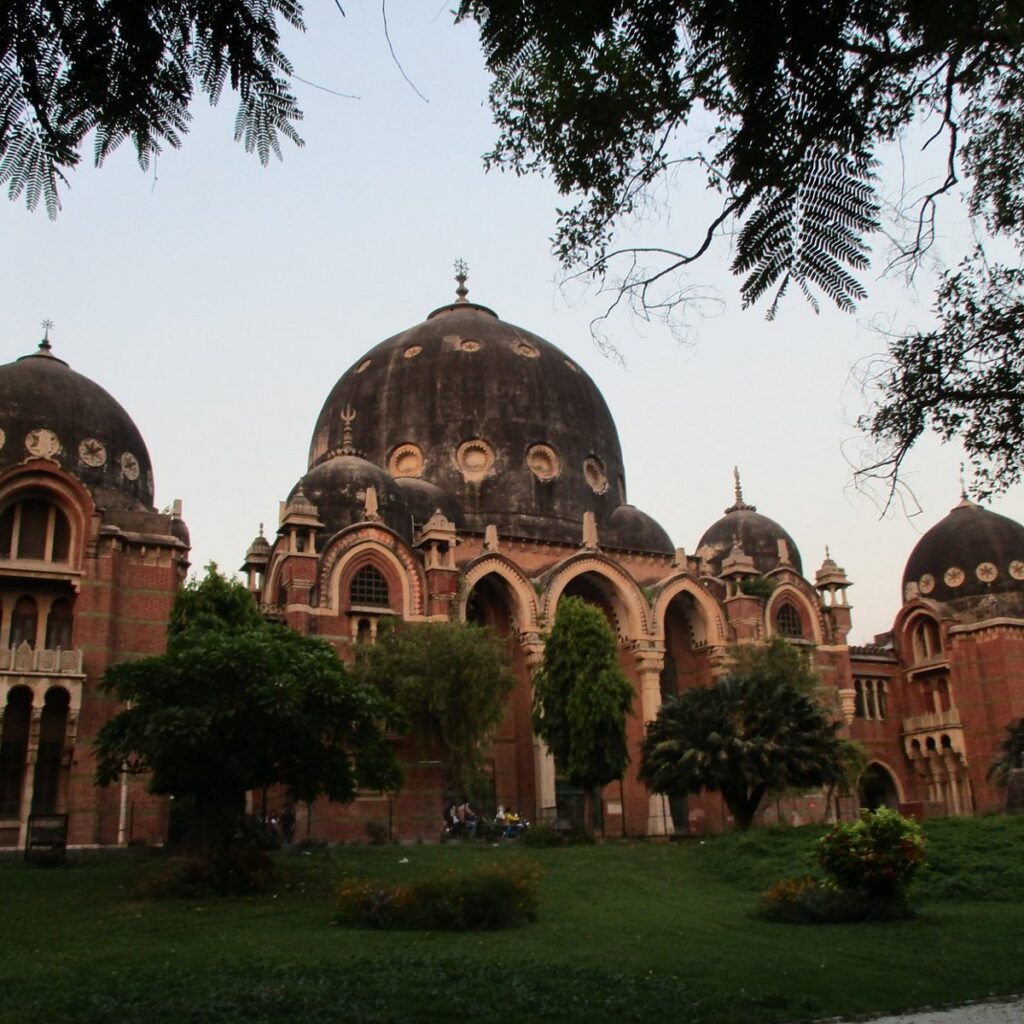
Description
by Lawsection.in editorial team/ Last Updated : Februray,12,2026
About Maharaja Sayajirao University of Baroda
The Faculty of Law at Maharaja Sayajirao University of Baroda (MSU Baroda) is one of Gujarat’s oldest and most respected public law schools, located in Vadodara, India. Established under state legislation, the university has consistently maintained strong academic credibility, regulatory compliance, and research culture.
The Faculty of Law is recognized by the University Grants Commission (UGC) and approved by the Bar Council of India (BCI) for its LL.B. programs, enabling graduates to pursue legal practice in India after fulfilling bar requirements. MSU Baroda holds a strong NAAC accreditation status and participates in national ranking frameworks including NIRF 2025.
The institution is known for its focus on constitutional law, corporate law, criminal law, and socio-legal research, along with moot court training and practical advocacy exposure.
Information verified from official university sources, UGC database, BCI approved college list, and NIRF 2025 publications. Last updated: February 2026.
Mandatory Recognition & Accreditation
| Approval Body | Status |
|---|---|
| UGC Recognition | Recognized under Section 2(f) & 12(B) of UGC Act |
| BCI Approval | Approved for LL.B. & Integrated Law Programs |
| NIRF 2025 Rank | Ranked in NIRF 2025 – Law Category (As per official NIRF publication) |
| State Legislature Act | The Maharaja Sayajirao University of Baroda Act, 1949 (Gujarat Act No. 15 of 1949) |
University Snapshot
| Particulars | Details |
|---|---|
| Location | Vadodara, Gujarat, India |
| Established | 1949 |
| Type | Public State University |
| NIRF 2025 Rank (Law) | As per official NIRF 2025 listing |
| NAAC Grade | A+ (Latest Cycle Accreditation) |
| Study Intakes | July–August |
| Approx Tuition Fees (LL.B.) | ₹15,000 – ₹30,000 per year (subject to revision) |
| Entrance Exam | University-based merit / entrance as notified |
| Campus Type | Urban Campus |
Law Programs Offered (Updated 2026)
Below is the complete list of active law programs offered by MSU Baroda Faculty of Law:
| Program Name | Duration | Eligibility | Approx Fees | Mode |
|---|---|---|---|---|
| LL.B. (3-Year) | 3 Years | Graduation in any discipline | Govt. Regulated | Full-Time |
| B.A. LL.B. (Integrated) | 5 Years | 10+2 with required % | Govt. Regulated | Full-Time |
| LL.M. | 2 Years | LL.B. Degree | As per University norms | Full-Time |
| Ph.D. in Law | Minimum 3 Years | LL.M. with NET/Entrance | As per PhD regulations | Research |
Programs comply with BCI Legal Education Rules.
Who Should Choose This University?
- Students seeking affordable public legal education in Gujarat.
- Aspirants preparing for judiciary, civil services, or litigation careers.
- Students looking for BCI-approved programs for Indian legal practice.
- Candidates preferring a NAAC-accredited public university with strong academic heritage.
Career & Bar Pathway After Graduation (India)
Step 1 – Complete LL.B. from BCI-approved institution
Graduate from MSU Baroda Faculty of Law.
Step 2 – Enroll with State Bar Council
Register with the respective State Bar Council under the Advocates Act, 1961.
Step 3 – All India Bar Examination (AIBE)
Qualify AIBE conducted by the Bar Council of India.
Step 4 – Certificate of Practice
Become eligible to practice law in Indian courts.
Rankings & Reputation (2026)
- Participates in NIRF 2025 Law Rankings
- NAAC Accredited with A+ Grade
- Recognized public university established in 1949
- Strong alumni presence in Gujarat High Court practice and academia
- Known for moot court activities and legal aid clinics
Documents Required for Admission
- Academic Transcripts
- Migration Certificate (if applicable)
- Entrance Score (if required)
- Identity Proof
- Caste/Category Certificate (if applicable)
- Passport Copy (for international applicants)
Application Process (2026 Intake)
- Visit official MSU Baroda website
- Select Faculty of Law program
- Check eligibility criteria
- Register online and fill application form
- Upload required documents
- Pay application fee
- Await merit list / admission confirmation
Explore More Law Study Options
Students interested in pursuing legal education in India can also explore:
● Complete Guide to Study Law Abroad
● Law Colleges in India
● LLM Abroad Programs for Indian Students
Frequently Asked Questions (FAQs)
1.Is this law degree valid for legal practice in India?
Yes. The LL.B. programs are approved by the Bar Council of India and comply with Legal Education Rules.
2. Is entrance exam like CLAT required?
MSU Baroda does not require CLAT for its regular law programs. Admission is based on university norms and merit criteria.
3. Can Indian students practice law after this degree?
Yes, after enrolling with the State Bar Council and qualifying AIBE.
4. Is the university government or private?
MSU Baroda is a Public State University established under Gujarat State Legislature Act.
5. Does the university offer hostel facilities?
Yes, hostel facilities are available subject to availability.
Study LLM Abroad: Top Law Universities in UK, USA & Canada
Planning to pursue an LLM abroad? Explore carefully curated and verified guides to top-ranked law universities in the United Kingdom, United States, and Canada. These country-wise pages provide structured information on admission requirements, eligibility criteria, tuition fees, intakes, scholarships, and career prospects — based on official university sources and updated as of 2026. Compare destinations confidently and choose the best pathway for your global legal career.
LLM In UK
Find the best Law Universities in United Kingdom.
LLM In USA
Explore Top-ranked Law Universities in the USA.
LLM in Canada
Canada’s Top-ranked Law Universities listed here.
This information is curated by Lawsection’s editorial team as part of our Study Law Abroad and Global Law College Directory initiatives.
Information verified from official university sources and regulatory guidelines.
Last updated: February 2026.
Address

University of Chicago – The Law School
- Private Institution
- LLM Abroad, Juris Doctor (JD), Doctor of Juridicial Science (S.J.D)
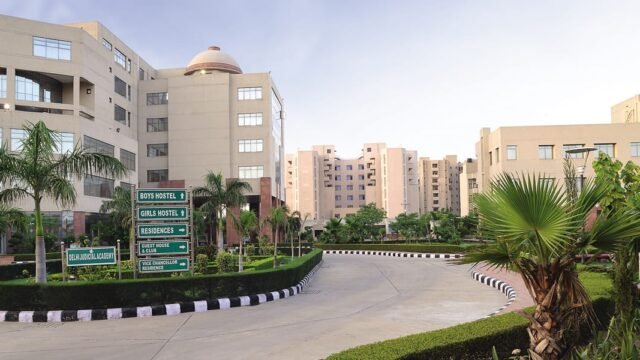

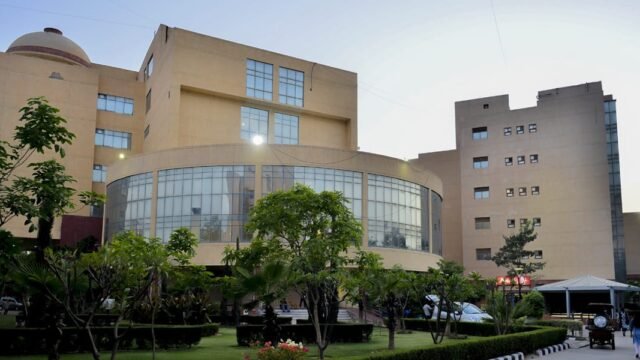
National Law University Delhi (NLU Delhi) – Courses, Fees, Admission, AILET Cut-Off, Ranking (2026)
- National Law University
- B.A. LLB (5 Years), LLM India, PhD in Law
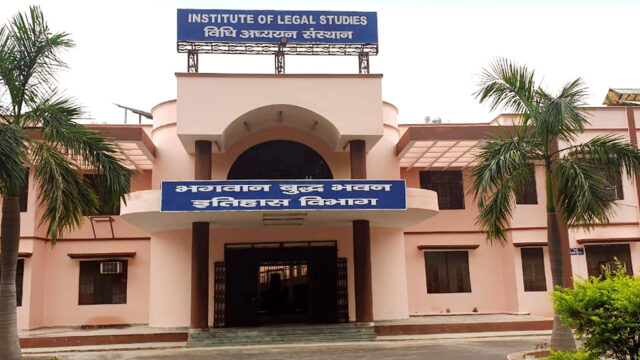
Faculty of Law – Chaudhary Charan Singh University (CCSU), Meerut
- Government
- LLB (3 Years), B.A. LLB (5 Years), LLM India

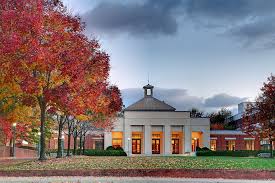
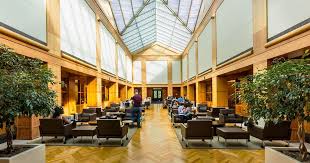
University of Virginia (UVA) – School of Law
- Government
- LLM Abroad, Juris Doctor (JD), Doctor of Juridicial Science (S.J.D)
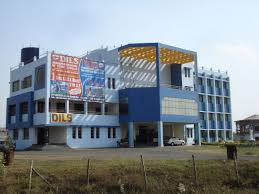

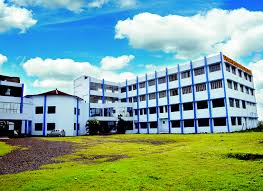
Durgapur Institute of Legal Studies (DILS), Durgapur
- Private Institution
- LLB (3 Years), B.A. LLB (5 Years)
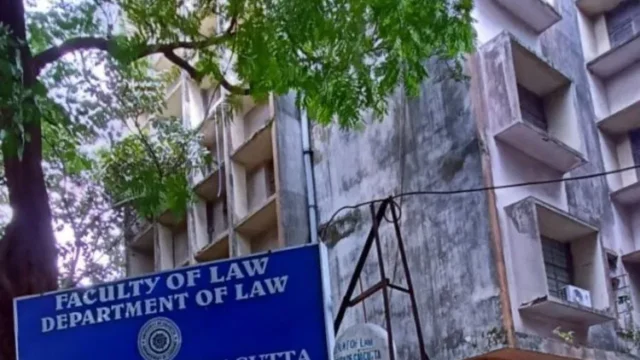
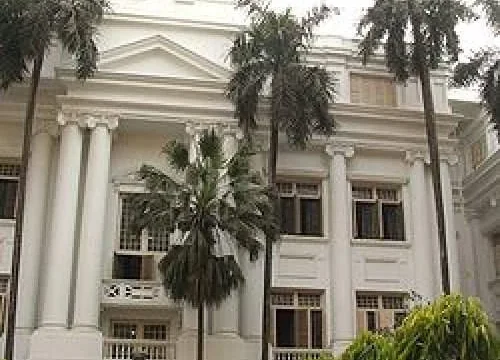

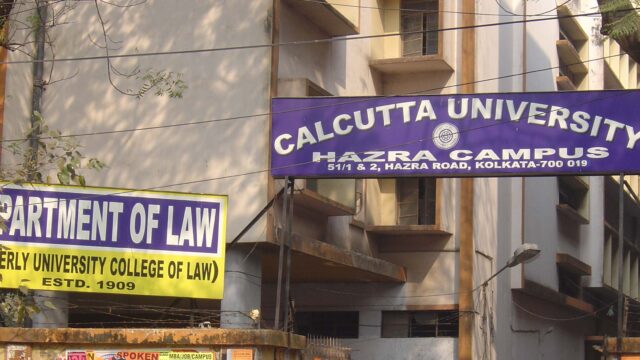
Department of Law, University of Calcutta
- Government
- B.A. LLB (5 Years), LLM India
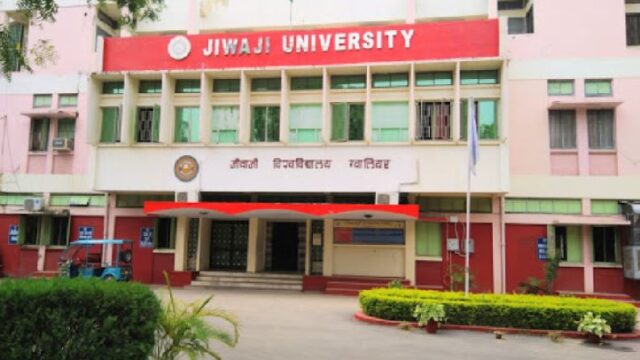
Institute of Law – Jiwaji University, Gwalior
- Government
- LLB (3 Years), B.A. LLB (5 Years), B.Com (5 Years), LLM India
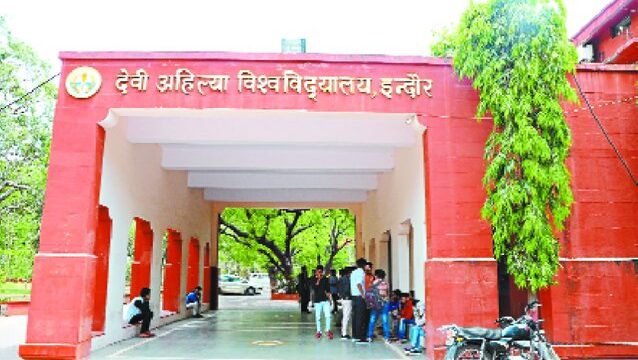
School of Law – Devi Ahilya Vishwavidyalaya, Indore
- Government
- B.A. LLB (5 Years), LLM India
