
Faculty of Law – Jamia Millia Islamia (JMI)
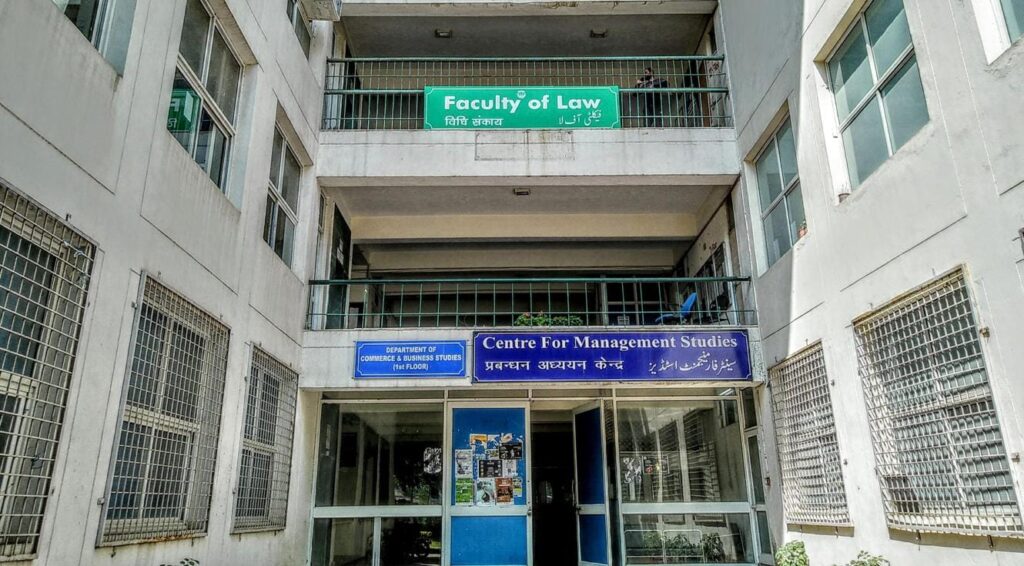
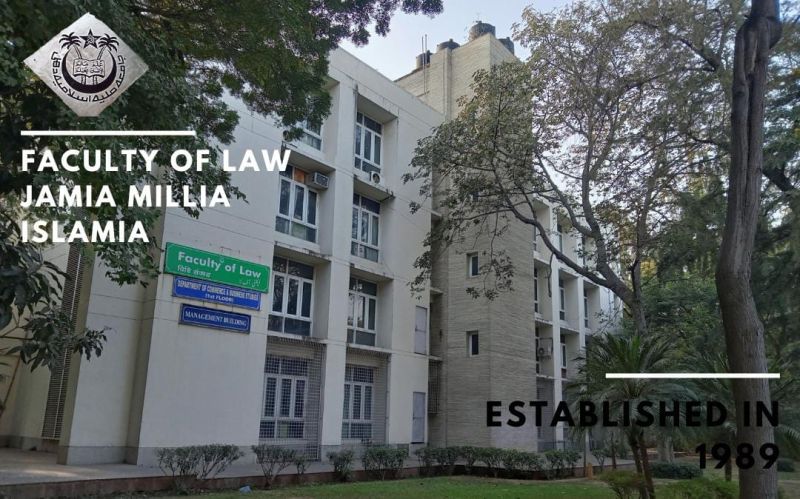
Description
About Faculty of Law – Jamia Millia Islamia (JMI)
Verified by Lawsection.in Editorial Team | Updated: February 12, 2026
The Faculty of Law, Jamia Millia Islamia (JMI) is one of India’s prestigious public law schools located in New Delhi, India. Established in 1989 under the university framework, the Faculty is known for strong constitutional law scholarship, litigation training, and a socially inclusive academic environment.
Jamia Millia Islamia is a Central University established by an Act of Parliament (Jamia Millia Islamia Act, 1988 – Act No. 59 of 1988) and is fully recognized by the UGC and Bar Council of India (BCI). The university consistently ranks among India’s top institutions and holds a high NAAC accreditation grade, reflecting academic excellence and regulatory compliance as of February 2026.
University Snapshot
Location
New Delhi, India
NIRF Rank (Law)
Top Ranked (As per NIRF 2025 Official Release)
Established
Established in 1989
NAAC Grade
A++
Type
Public Central University
Intake Months
July–August (Annual Intake)
Law Programs Offered by the University
Below are the major law programs offered, along with key eligibility, duration, and admission details.
LL.B (3 Years)
Duration: 3 Years
Eligibility: Graduation in any discipline
Entrance: JMI Entrance Exam
Approx Fees: ₹40,000–₹52,000 per year
BA LL.B (Hons.) – 5 Year
Duration: 5 Years (Integrated)
Eligibility: 10+2 with required percentage
Entrance: JMI Entrance Exam
Approx Fees: ₹40,000–₹52,000 per year
LL.M (1 or 2 Years)
Duration: 1–2 Years
Eligibility: LL.B Degree
Entrance: JMI Entrance Exam
Approx Fees: ₹35,700 – ₹50,000 per year
Ph.D in Law
Duration: 3–6 Years
Eligibility: LL.M with required percentage
Entrance: JMI Entrance Exam
Fees: As per university norms
Recognition & Accreditation
- Recognized under UGC Act, 1956 (Central University Status)
- BCI Approved Law Programs (LL.B. & LL.M. compliant)
- Jamia Millia Islamia Act, 1988 (Act No. 59 of 1988, Parliament of India)
- Ranked among Top Law Institutions in India (Official NIRF 2025 data)
Who Should Choose Faculty of Law – JMI?
- Students seeking affordable Central University legal education in India.
- Aspirants targeting Judiciary, UPSC, or Constitutional Litigation careers.
- Candidates looking for strong moot court culture and litigation exposure.
- Students preferring an inclusive, academically rigorous campus in Delhi NCR.
Career & Bar Pathway After Graduation (India)
- Step 1 – Complete LL.B. from BCI-approved program (JMI Law is compliant).
- Step 2 – Enroll with State Bar Council & clear All India Bar Examination (AIBE) conducted by BCI.
- Step 3 – Eligible to practice law across India as Advocate.
Graduates also pursue:
- Judicial Services
- Corporate Law Firms
- Public Prosecutor Offices
- Academia & Research
- Civil Services (UPSC/State PCS)
Rankings & Reputation (2026 Verified)
- Ranked among India’s Top Law Schools under National Institutional Ranking Framework (NIRF) 2025 – Law Category.
- NAAC Accredited with A++ Grade.
- Recognized Central University under Parliament of India.
- Notable alumni across judiciary, civil services, academia, and litigation
Documents Required for Admission
- Academic Transcripts (10th, 12th, Graduation if applicable)
- Entrance Exam Scorecard (JMI Entrance Test)
- Statement of Purpose (For LL.M./PhD)
- Passport Copy (For International Applicants)
- Letters of Recommendation (For PhD/Research Programs)
Application Process for International Students
- Select the law program from official JMI website
- Check academic and English eligibility
- Prepare documents
- Apply through university admission portal
- Receive offer letter
- Apply for student visa for India
Frequently Asked Questions (FAQs)
1. Is this law degree valid for legal practice in India?
Yes, because it complies with Bar Council of India (BCI) regulations and legal academic requirements.
2. Is LSAT required for admission?
No. Admission is based on the JMI Entrance Examination conducted by the university.
3.Can Indian students practice law after this degree?
Yes. After completing LL.B., graduates must enroll with a State Bar Council and clear AIBE.
4.Yes. After completing LL.B., graduates must enroll with a State Bar Council and clear AIBE.
Yes. It is a Central University established by an Act of Parliament (Jamia Millia Islamia Act, 1988).
5.What is the NIRF 2025 ranking of JMI Law?
JMI is ranked among India’s recognized law institutions under the official NIRF 2025 rankings (Law category).
Study LLM Abroad: Top Law Universities in UK, USA & Canada
Planning to pursue an LLM abroad? Explore carefully curated and verified guides to top-ranked law universities in the United Kingdom, United States, and Canada. These country-wise pages provide structured information on admission requirements, eligibility criteria, tuition fees, intakes, scholarships, and career prospects — based on official university sources and updated as of 2026. Compare destinations confidently and choose the best pathway for your global legal career.
LLM In UK
Find the best Law Universities in United Kingdom.
LLM In USA
Explore Top-ranked Law Universities in the USA.
LLM in Canada
Canada’s Top-ranked Law Universities listed here.
This information is curated by Lawsection’s editorial team as part of our Study Law Abroad and Global Law College Directory initiatives.
Information verified from official university sources and Bar Council of India (BCI), UGC, NIRF 2025, and NAAC accreditation data.
Last updated on: February 2026.
Address



National Law University Delhi (NLU Delhi) – Courses, Fees, Admission, AILET Cut-Off, Ranking (2026)
- National Law University
- B.A. LLB (5 Years), LLM India, PhD in Law
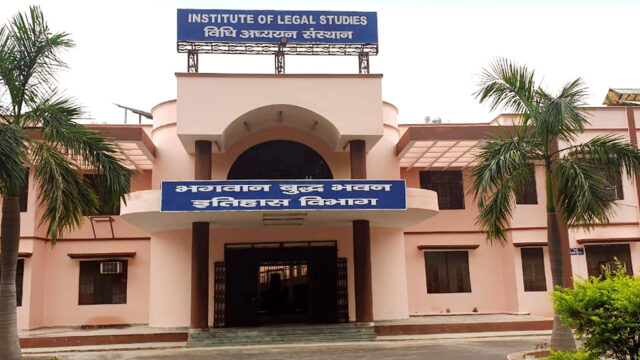
Faculty of Law – Chaudhary Charan Singh University (CCSU), Meerut
- Government
- LLB (3 Years), B.A. LLB (5 Years), LLM India




Durgapur Institute of Legal Studies (DILS), Durgapur
- Private Institution
- LLB (3 Years), B.A. LLB (5 Years)



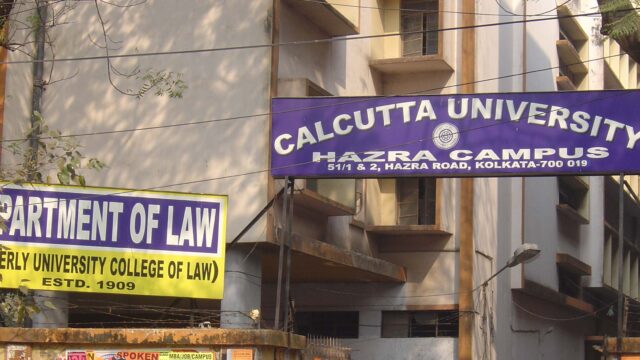
Department of Law, University of Calcutta
- Government
- B.A. LLB (5 Years), LLM India
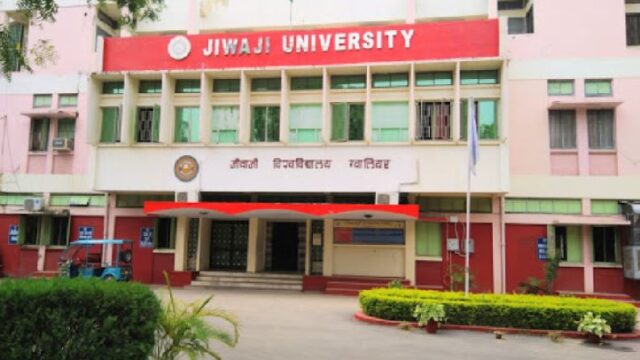
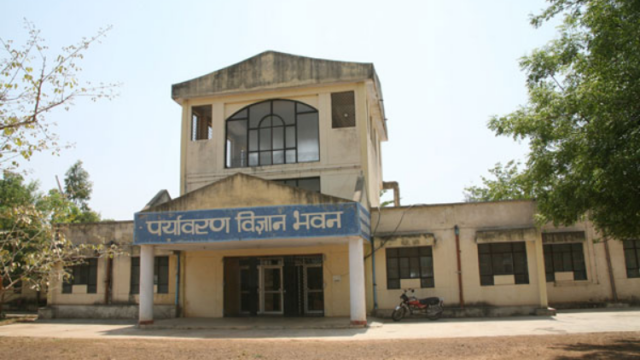

Institute of Law – Jiwaji University, Gwalior
- Government
- LLB (3 Years), B.A. LLB (5 Years), B.Com (5 Years), LLM India



School of Law – Devi Ahilya Vishwavidyalaya, Indore
- Government
- B.A. LLB (5 Years), LLM India


Dharmashastra National Law University (DNLU), Jabalpur
- National Law University
- B.A. LLB (5 Years), LLM India
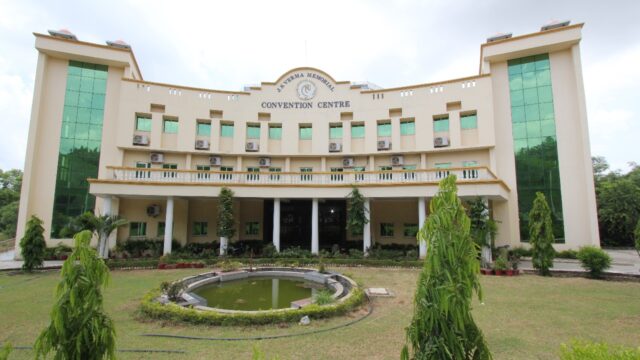
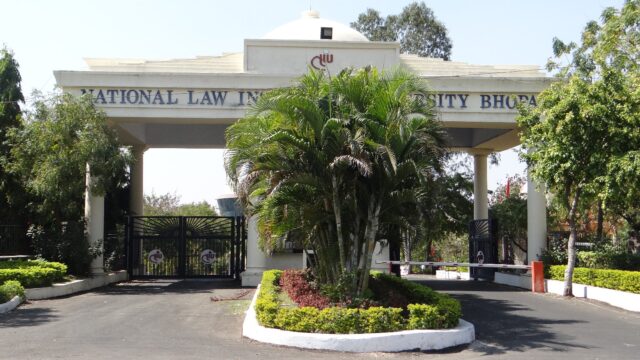

National Law Institute University (NLIU), Bhopal
- National Law University
- B.A. LLB (5 Years), LLM India
