
Law Colleges in Canada – Verified Colleges, Courses & Admissions
by Lawsection.in editorial | last updated: February 8, 2026
This verified directory of law colleges in Canada helps you compare top universities and law schools in one place. Explore JD and LLM programs, admissions requirements, eligibility basics, and key program details — curated and reviewed by the Lawsection.in editorial research team.
Browse Verified Law Colleges in Canada

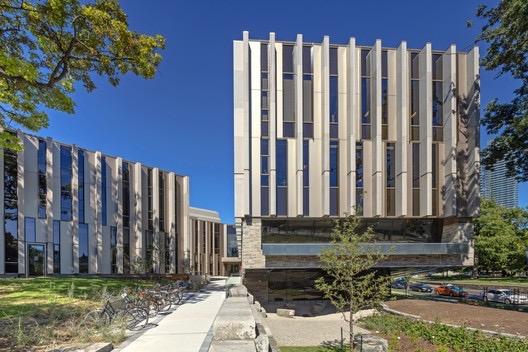

University of Toronto Faculty of Law – Courses, Fees, Admission, Ranking (2026)
- Government
- LLM Abroad, Juris Doctor (JD), Doctor of Juridicial Science (S.J.D)


University of Ottawa – Faculty of Law
- Government
- LLM Abroad, Juris Doctor (JD), Doctor of Juridicial Science (S.J.D)
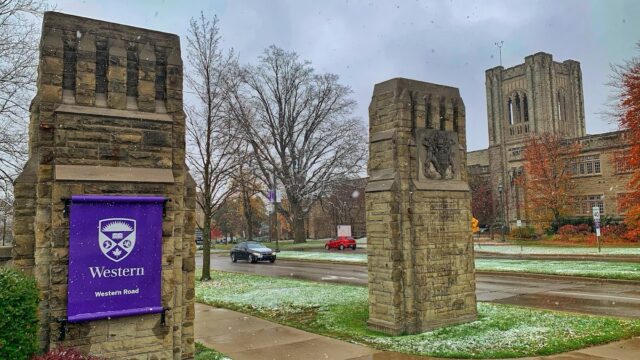
Western University – Faculty of Law In-Depth Guide: Programs, Admissions, Rankings & Visa Inf
- Government
- LLM Abroad, Juris Doctor (JD)





Osgoode Hall Law School – York University – An In-Depth Guide
- Government
- LLM Abroad, Juris Doctor (JD)





University of British Columbia – Peter A. Allard School of Law – In-Depth Guide (Programs, Requirements & Admissions)
- Government
- LLM Abroad, Juris Doctor (JD)



University of Victoria – Faculty of Law: Programs, Admissions, Requirements & Rankings
- Government
- LLM Abroad, Juris Doctor (JD)





Thompson Rivers University – Faculty of Law (TRU Law) – An In-Depth Guide
- Government
- Juris Doctor (JD)



University of Alberta – Faculty of Law (Edmonton): An In-Depth Guide
- Government
- LLM Abroad, Juris Doctor (JD)




University of Calgary Faculty of Law (Canada) – In-Depth Guide for International Students
- Government
- LLM Abroad, Juris Doctor (JD)
Popular Law Programs in Canada
Most Law Colleges in Canada offer undergraduate, postgraduate and research law programs.
Common programs include:
- Juris Doctor (JD)
- LLM (Specialisations)
- Graduate Certificates / Diplomas
- Research degrees
Admission Process for Law Colleges in Canada
Admission to most law colleges in Canada is based on academic background, entrance tests, and English language proficiency requirements for international students.
- Juris Doctor (JD) programs usually require an undergraduate degree and LSAT score
- LLM programs require a prior law degree (LLB/JD) from a recognised university
- English language tests such as IELTS/TOEFL are required for international students
- Some universities conduct interviews or additional assessments
- Admission deadlines vary by university and intake session
Each university may have specific admission criteria and timelines. Applicants should always verify requirements from the official university website before applying.
How Lawsection.in Verifies Law Colleges in Canada
This Law Colleges in Canada directory is regularly updated based on:
- Official university/faculty pages
- Program pages & admission offices
- Accreditation / regulator references (where applicable)
- Published fee and intake information
- Updates tracked by editorial review
Content is reviewed by legal education researchers and admission consultants to maintain accuracy and reliability.
Explore More Law Education Resources
You can also explore:
• Law Entrance Exams in India
• Study Law Abroad Opportunities
• Law Career and Job Updates
Some private law colleges also offer merit-based admission routes.

Continue Learning (Previous Guide)
Choosing the Right Law College for LLM Abroad?
LLM abroad helps Indian law graduates gain international exposure, specialised legal knowledge, and global career opportunities.
Frequently Asked Questions (FAQs)
Q1. Which are the best law colleges in Canada?
Canada has several globally recognised law schools offering JD and LLM programs. Students should compare universities based on curriculum, faculty, tuition fees, and career outcomes.
Q2. Is LSAT required for law admissions in Canada?
Most Juris Doctor (JD) programs in Canada require LSAT scores. However, some universities may have alternative assessment criteria.
Q3. What is the difference between JD and LLM in Canada?
JD is a primary law degree required to practice law in Canada, while LLM is a postgraduate specialization program for law graduates.
Q4. What is the average tuition fee for law programs in Canada?
Tuition fees vary by university and program but generally range from moderate to high depending on the law school and study level.
Q5. Can international students study law in Canada?
Yes, Canadian universities welcome international students in JD and LLM programs, subject to eligibility, language proficiency, and admission requirements.
This Law Colleges in Canada directory page is maintained and updated by the Lawsection.in Editorial Research Team to ensure students receive accurate, verified and practical admission information.
